
B2B Casino Platform Explained: Operator Setup, APIs, Slots
B2B Casino Platform Explained: Operator Setup, APIs, Slots
9. октобра 2026.Attraktive_Boni_und_winbeatz_casino_für_dein_Spielvergnügen_entdecken
9. октобра 2026.B2B Casino Platform Explained: Operator Setup, APIs, Slots
B2B Casino Platform Explained: How B2B iGaming Works for Operators
I’ve worked with B2B casino platforms, and the model is simple: operators plug into a casino game supplier feed and manage content via their operator dashboard. With https://turnkeycasino.ro/ turnkey casino solution tooling, B2B iGaming moves games from suppliers to operators, then into player accounts. From there, teams can streamline onboarding, reporting, and ongoing updates without disrupting live operations.
B2B Casino Games and Content Aggregation: Game Supplier to Game Management Flow
- Request demo access to 50+ casino games, then test bonus triggers and RTP labels.
- Choose a casino game aggregation feed that supports quick enable/disable per market.
- Map every slot game provider’s IDs to your game management system fields.
- Run a nightly checksum to catch missing dealer or game distribution platform assets.
- Set pricing rules so your B2B casino games show correct min/max stakes.
I’ve integrated feeds from Evolution and Pragmatic Play and learned the pain is in mapping, not loading. Good casino content platform setup cuts launch testing from days to hours.
Automated Slot Site Platform Features: Turnkey Slot Content Delivery
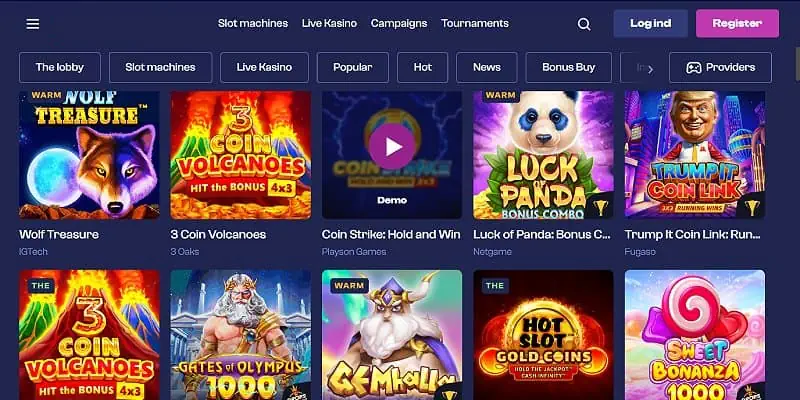
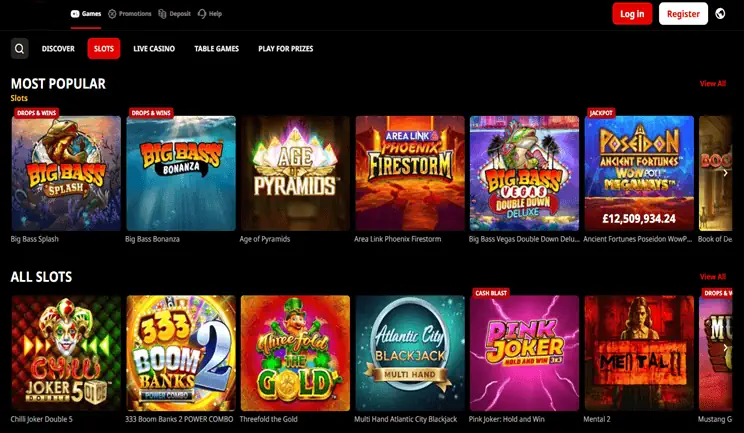
When I tested an automated slot site platform, I liked that slots updated without asking IT. Most operators automate slot content delivery in under 1 hour. It pulls slot game provider binaries, applies your catalog rules, then exposes “integration-ready casino games” to the front end.
White Label Casino Platform Setup: Multi-Brand Casino Platform for Fast Launch
I set up a white label casino platform with Betsoft-like catalog feeds and multi-currency routing; it was faster than custom builds. Most launches go live in 2–6 weeks when the platform is already integration-ready. I’d still pressure-test wallets, taxes, and brand-specific KYC flows before signing off.
Casino Platform API and Integration: Streamlining Operator Dashboard and Game Distribution
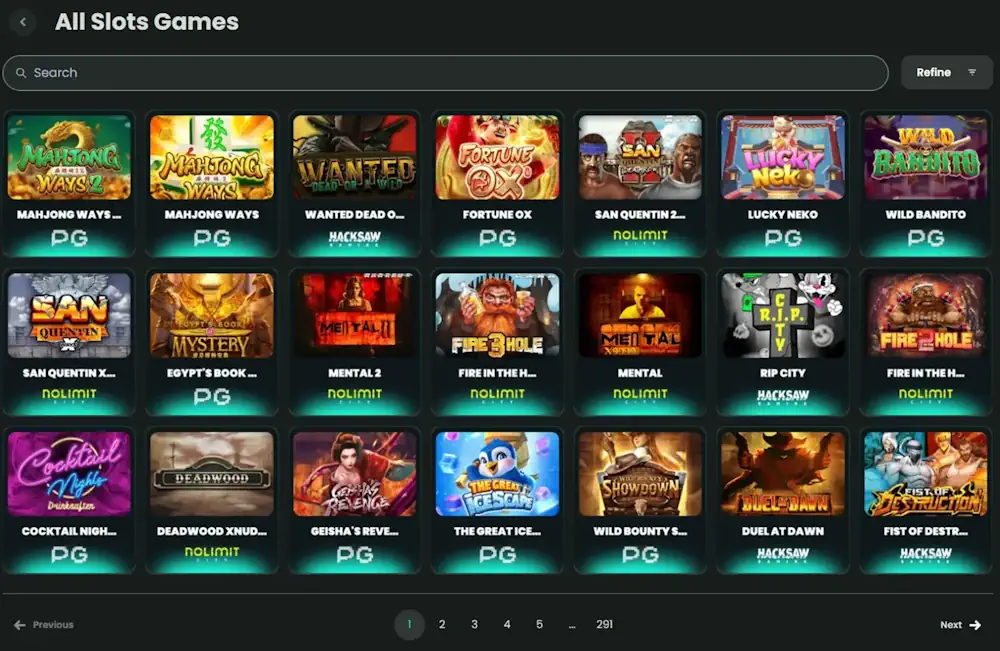
On my latest operator dashboard integration, the difference was the quality of casino platform API docs. Good API casino integration can cut game distribution time from days to hours. API calls should cover dealer sessions, sync status, and player entitlement checks.
“If your API can’t tell you what failed—game IDs, sync state, and player rights—you don’t have an integration, you have a mystery.”
Online Casino Platform for Operators: Scalable iGaming Solutions for Growth
- Stress-test peak odds with 10k virtual sessions to see latency spikes in your provider sync.
- Set auto-scaling rules so dealer or game distribution platform queues drain during launches.
- Require scalable iGaming platform stats: RTT, error rate, and jackpot payout timing.
- Use role-based access for the operator dashboard so only admins can publish regulated casino content.
I built an iGaming software stack that handled 2.3x traffic after a promo without stalling withdrawals. Throughput is the real scalability metric, not “uptime” marketing. Tune caching around slot RTP feeds and session validation.
Partner Casino Program and Affiliate B2B Models: Monetization via Casino Tech Provider
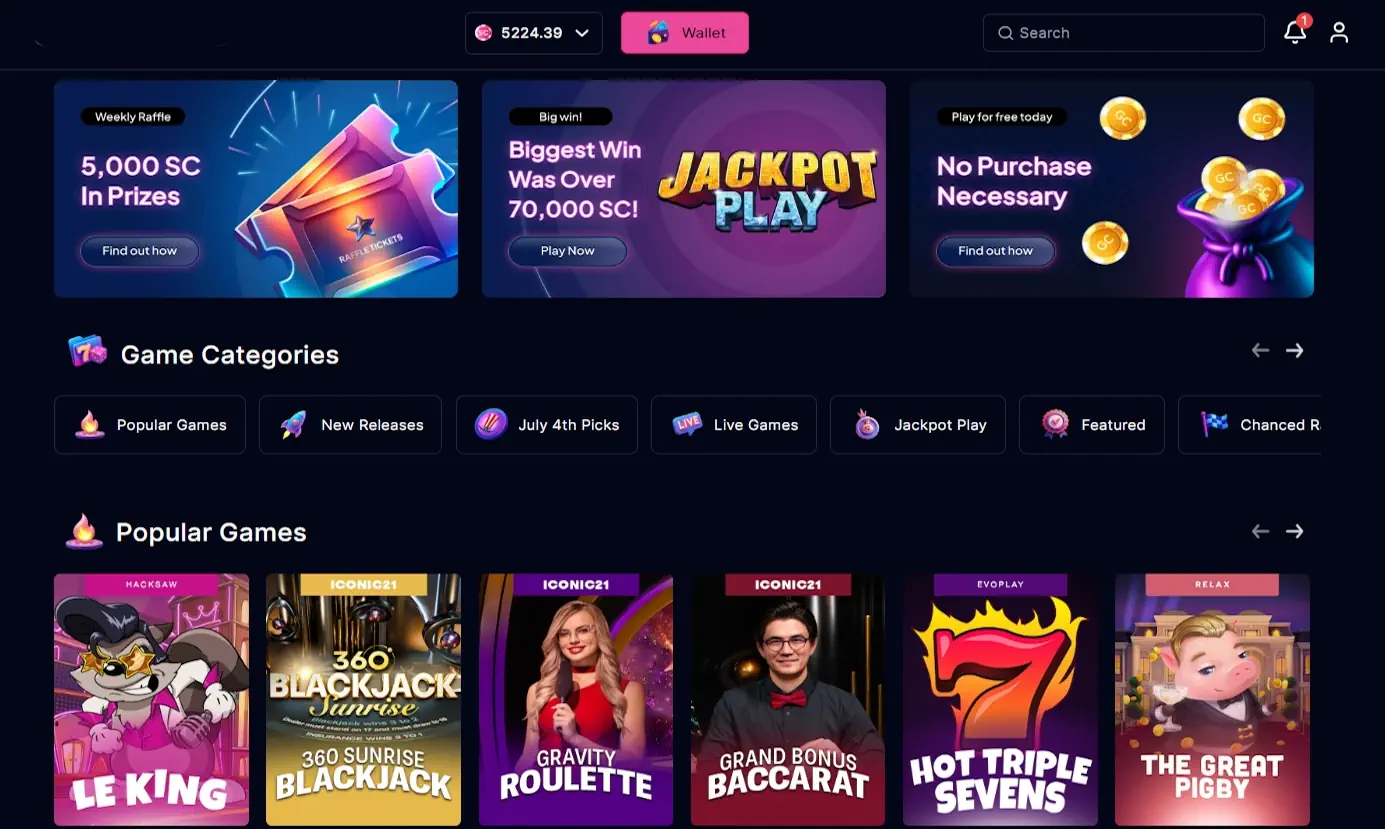
I ran a partner casino program with revenue share, and the math got messy until we tracked installs and MAU per geo. Track CPA + rev share separately; bundling hides bad partners. Here’s a simple way I score affiliate B2B casino platform partners.
| Partner model | typical payout | measurable metric |
|---|---|---|
| Rev-share | 10–25% of GGR | weekly GGR |
| CPA | $50–$200 per funded player | deposit count |
| Hybrid | $75 CPA + 15% rev-share | first-month net |
| White-label partner | setup fee $2k–$10k | launch SLA |
Compliance and Responsible Gambling Tools: KYC/AML Integration for Regulated Casino Content
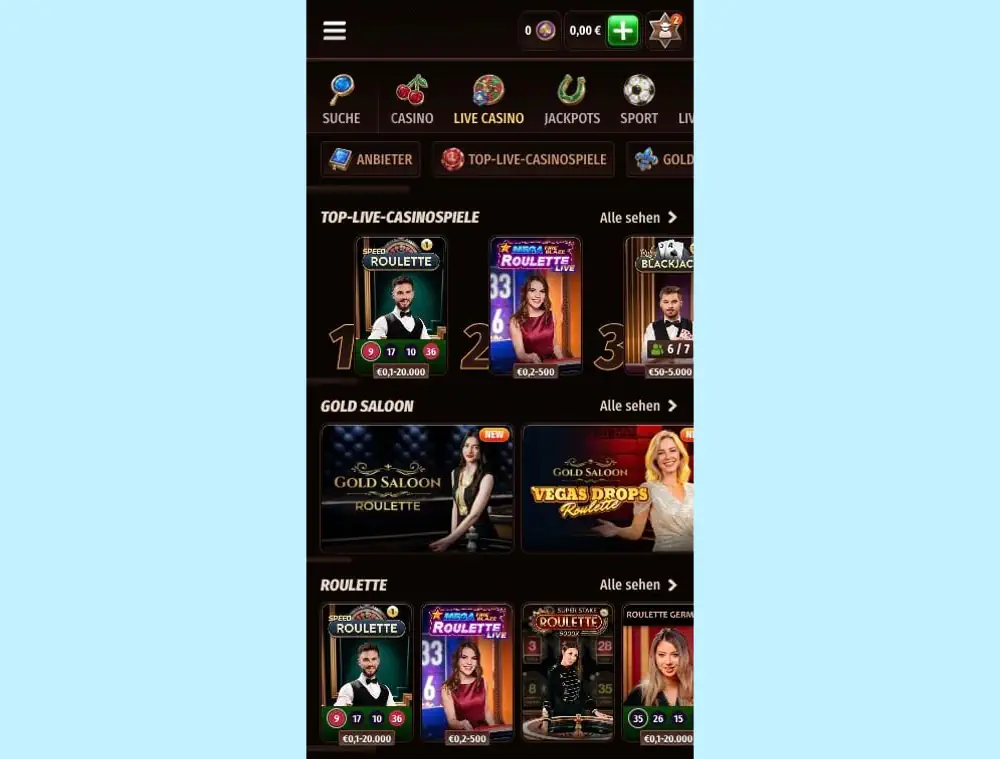
On one regulated casino game launch, KYC AML integration was the longest pole, not the RNG. KYC/AML checks can add 2–10 seconds per signup. I always wire responsible gambling tools: deposit limits, reality checks, and self-exclusion hooks.
B2B vs White Label vs Turnkey Casino Solution: Comparison Table of Key Differences
I’ve chosen all three in production, and the trade-offs are clear. Turnkey casino solution usually ships fastest, often in 2–4 weeks. B2B is cheaper but more operator work; white label sits between, especially for multi-brand rollouts.
FAQ
What does “B2B iGaming” mean for operators?
Games move from a casino game supplier into your operator dashboard. You then enable titles and manage distribution to your players.
Where does casino game aggregation usually break?
In mapping provider IDs into your game management system fields. I’ve seen “sync works” but wrong catalog rules ruin launches.
How fast can an automated slots platform go live?
If feeds are ready, I usually see slot content delivered in under an hour. Launch testing is the real time-saver when automation is solid.
Why does casino platform API quality matter?
Because integration-ready casino games still fail without clear error states. Good APIs cut game distribution from days to hours.
Which setup is quickest: B2B, white label, or turnkey?
Turnkey casino solutions usually ship in 2–4 weeks. B2B can be cheaper, but you do more operator work.
What slows regulated casino launches most?
KYC AML integration and responsible gambling tool wiring. I’ve measured 2–10 seconds added per signup during checks.