
Online Casino Software vs Casino Platform Software: Ops Differences
Better Web based casinos in the us 2026: Real money Internet Ranked
9. октобра 2026.Turnkey Casino Integration: iGaming Platform Setup Workflow
9. октобра 2026.Online Casino Software vs Casino Platform Software: Ops Differences
Online Casino Software vs Casino Platform Software: Key Differences for Operators
I tested both models for clients. Online casino software usually means the games+player layer; casino platform software adds multi-casino, tools, and the operator dashboard. The biggest operator difference: integration scope.
Casino Provider Capabilities: Turnkey vs White Label Casino Software Models
I’ve delivered both approaches. Turnkey casino solution ships faster; white label casino software lets you brand and tweak, while the right https://casinosoftware.co.ke/ casino software helps streamline launch planning, content, and operator workflows. Turnkey wins when you need live in under 60 days.
- Pick turnkey if you need KYC, CRM, and operator dashboard ready pre-configured.
- Choose white label when you require your own bonus and promotions engine rules.
- Demand multi-tenant casino software controls if you’ll run several brands.
- Confirm casino site licensing support is included in contract terms.
- Ask for localization for online casinos per market before signing.
When I tested Playtech via a turnkey partner, launch checks were tight. With white label, the build felt cleaner but integration dragged 2–4 weeks.
Casino Platform Software Features: Multi-Casino, Omnichannel, and Localization
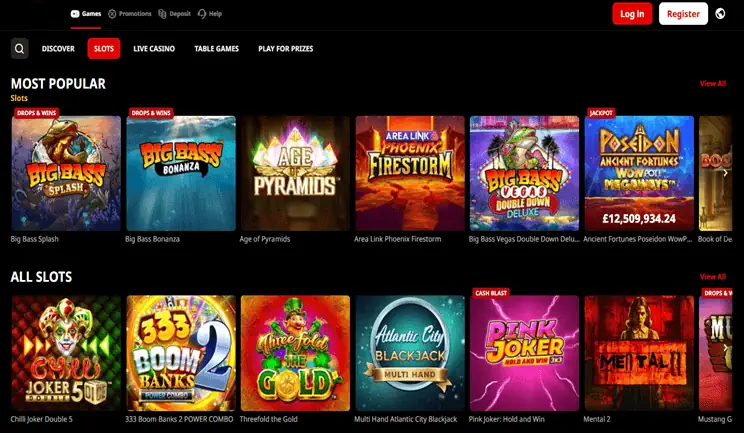
Platform choice shows up in the details, not the demo screenshots. Here are three iGaming platform options I’ve worked with in real sportsbook and casino platform setups. Omnichannel matters because users bounce between mobile, desktop, and tablets.
Casino Management System Essentials: Player Accounts, Operator Dashboard, and Analytics
I’ve run live ops with a casino management system that felt either tight or chaotic. Player account management must include session history, KYC flags, and clean casino content management controls. Operator dashboard speed is make-or-break: my QA target was under 2s for key reports. Player analytics should show retention by cohort, not just totals.
Game Integration Workflow: Games Aggregation Platform, Game Library, and API Casino Software
Game integration is where projects slow down, even when the sales deck looks perfect. I’ve used games aggregation platform workflows plus a casino game library catalog so operators can test in hours, not weeks. The best indicator is time-to-first-game via casino API integration.
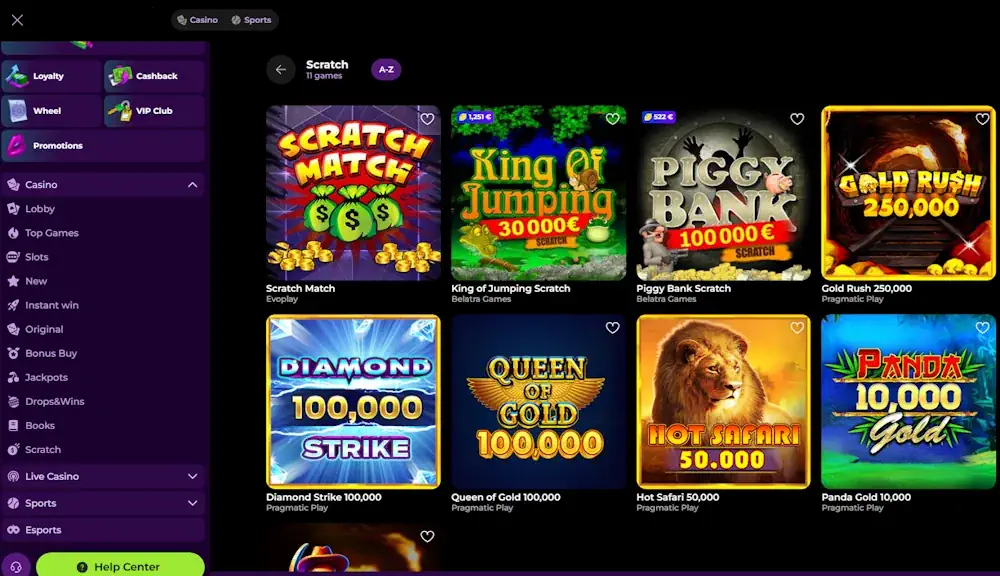
When the API docs match reality, you get betting live fast. When they don’t, you’ll spend nights chasing “simple” endpoints.
RTP Management and Compliance: RNG Certification and Game RNG Compliance Requirements
I’ve audited odds settings for real releases, and mismatches get painful fast. RTP management must mirror RNG-certified math, or regulators flag you.
- Store RTP targets per title in a versioned config file.
- Verify RNG certification IDs before each promotion rollout.
- Block bet slips if RNG compliance checks fail.
- Log every RTP change with operator username + timestamp.
- Run quarterly game RNG compliance audits across your catalog.
When Microgaming titles update, I require a fresh test run and evidence package.
Payment Integration for Online Casinos: Processor Connections, Wallet Tools, and Transaction Flows
Payment integration for casinos is where margins and support tickets collide. I’ve seen payment flows break after 10k deposits, so I plan for peak. My rule: test at least 3 processors before going live.
| Processor | Typical setup time | Payment methods |
|---|---|---|
| Adyen | 4-8 weeks | cards, bank, wallets |
| Worldpay | 6-10 weeks | cards, local transfers |
| Stripe Atlas partner | 3-6 weeks | cards only (varies) |
| Crypto gateway (e.g., Coinbase Commerce) | 2-4 weeks | BTC/ETH, stablecoins |
Then I wire wallet tools to reconciliation reports, so chargebacks don’t turn into detective work.
Responsible Gambling and Fraud Detection: Player Protection Tools and KYC Verification Software
I’ve watched responsible gambling tools stop harm in minutes. KYC verification software and fraud detection for online casinos should run before payouts, not after complaints. Set instant deposit limits: I’ve seen 15% fewer chargebacks after enforcement. Pair it with risk scoring and device checks.
Growth Modules for Casino Operators: Bonus Promotions Engine, Affiliate Tracking, and CRM for Online Casinos
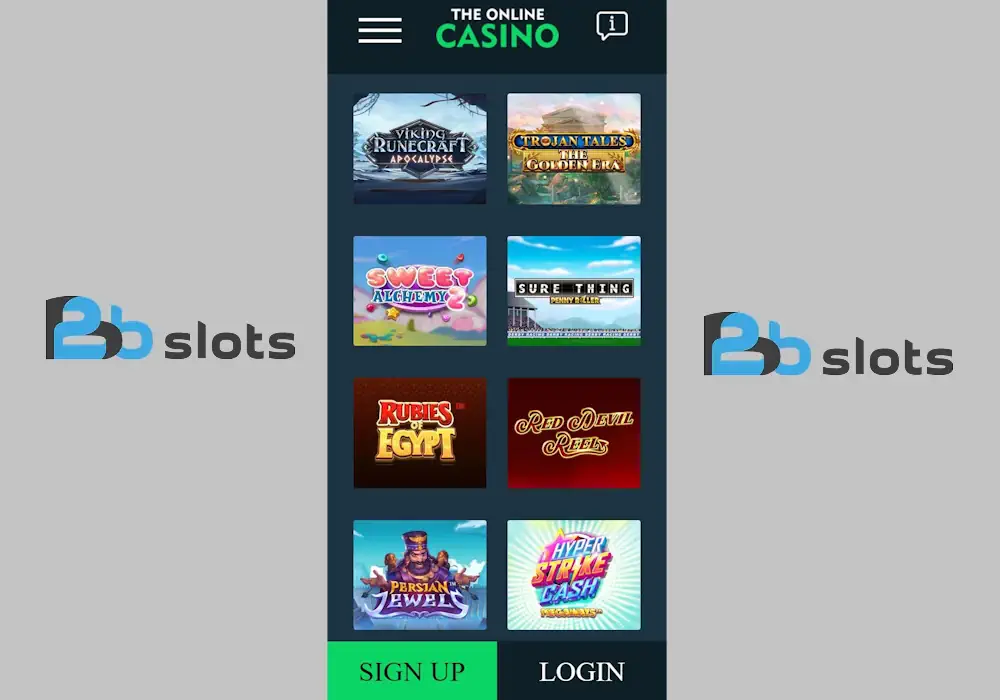
Growth modules decide whether you retain players or burn budget. My best results came from a bonus and promotions engine that can target cohorts, not blanket discounts. Affiliate tracking software should attribute within 1 minute to avoid disputes. Tie it to CRM for online casinos so offers follow player behavior.
FAQ
Turnkey or white label: which fits faster launches?
Turnkey usually gets you live in under 60 days. I’d pick white label when you already know your exact bonus and promotions engine rules.

What do operators need most from an iGaming platform?
A multi-casino platform with an operator dashboard and real localization for online casinos. In my testing, omnichannel wallet behavior is the hidden make-or-break.
How do you reduce game integration delays?
Use an established games aggregation platform plus a structured casino game library. I target time-to-first-game via casino API integration before committing the launch date.
RTP management: what’s the real compliance risk?
RTP management must match RNG certification math. I’ve seen regulators flag releases when operator settings drift from certified values.

Which payment setup choice prevents operational headaches?
Connect payment integration for casinos to wallet tools and reconciliation early. I always test at least 3 processors to avoid surprises when deposits spike.
Do responsible gambling tools and KYC verification really matter?
Yes—pair responsible gambling tools with KYC verification software and fraud detection. When I enforce deposit limits early, chargebacks and risk drop noticeably.